
Wario Ware Inc

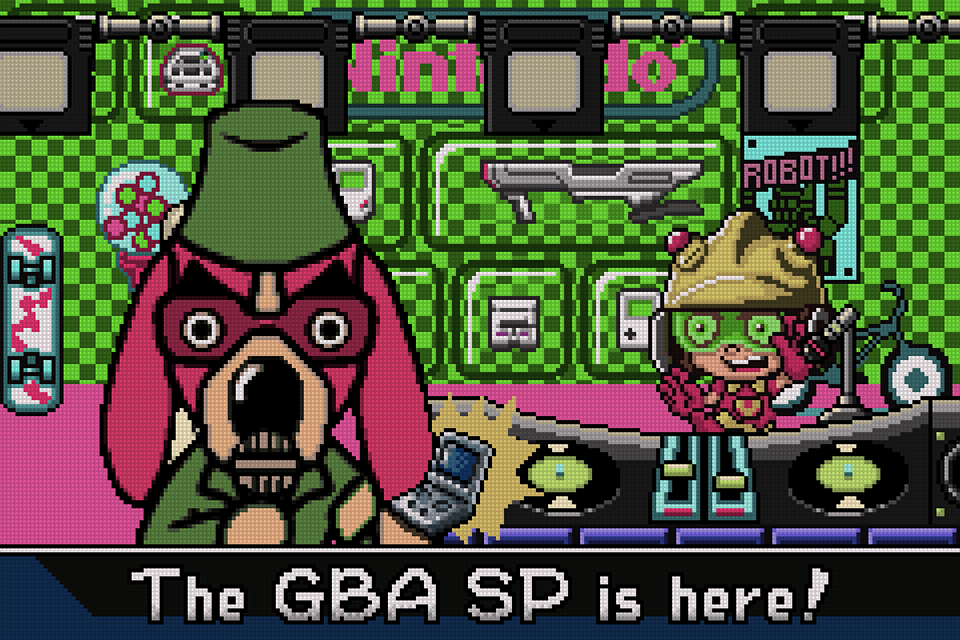
There is something of a shared experience with people who grew up in my generation, maybe some younger ones, as well: sitting in the passenger seat of your parents/guardians car as they took you to school or some other similar place, staring out the window, and imagining some person or creature is running along the rooftops of the houses passing by. No reason, no context, just our imaginations placing a nondescript character in a situation that lasts less than a minute for the purposes of livening up a boring car ride to somewhere you would rather not be.
Koichi Kawamoto was a programmer at Nintendo, before working his way up to becoming the guy who oversees the production of the Nintendo Switch and Switch 2. A game/program he worked on early in his career was Mario Artist: Polygon Studio for the late, lamented 64DD. Specifically, he was in charge of creating a series of bonus mini-games called Sound Bomber. I bring this all up for a couple of reasons. One, because this was the direct inspiration for Wario Ware's development. Two, because in all of the Kawamoto interviews I've read, nobody has ever asked him what his thought process was when coming up with these games, so now I have to speculate. I want to know if Kawamoto ever looked out the window during a long train ride, and if his mind created a little guy running along the rooftops of the homes and buildings in the city. I would like to ask the same of the directors who were actually involved with the creation of Wario Ware, Hirofumi Matsuoka and Goro Abe. What do their imaginations create during their travels?
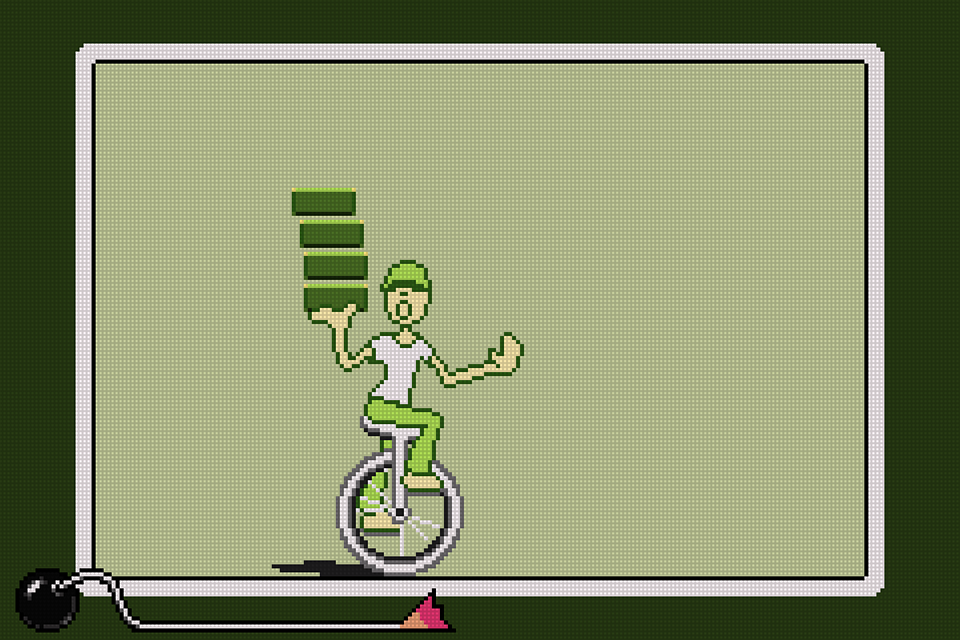
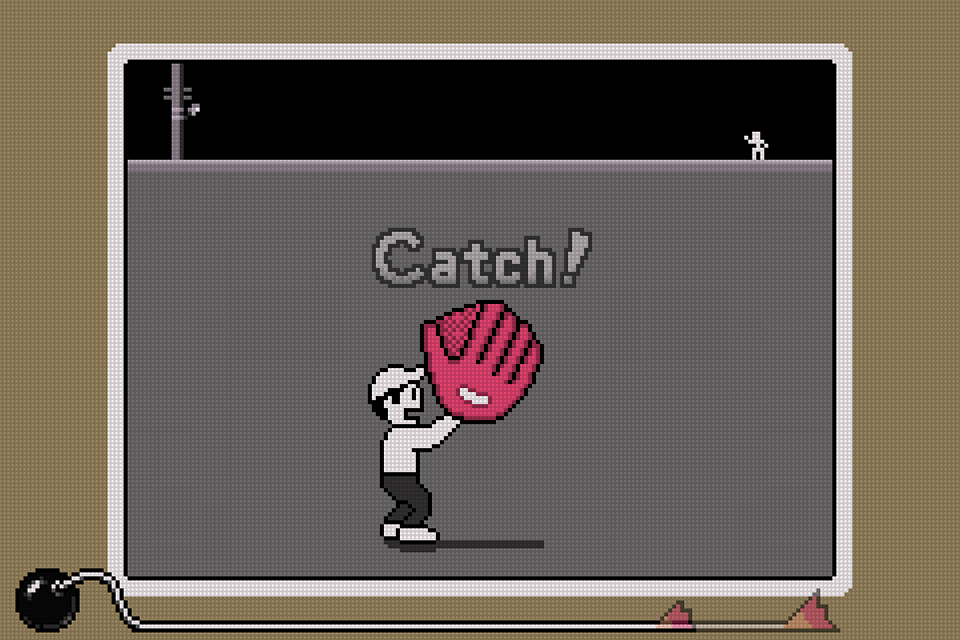
Wario Ware for the Game Boy Advance is a collection of small games that are played for seconds at a time. There's not much of a plot or overarching goal: Wario wants to make a popular video game so he can make money, and does this by stealing mini-game ideas from people. These mini-games are all nonsensical, and feel like the creations of children retreating into their imagination to cure a case of boredom. Everything is a game in Wario Ware. It's maximalist in the most chaotic sense. It has a consistent art style in that it is completely inconsistent. One game will be presented in 1-bit white sprites on a black background, and the next one will have very detailed, well animated sprite work, then the next one will use digitized photos for graphics. The games themselves range from wild fantasy stuff like flying through a cityscape or fighting aliens, to mundane things like brushing your teeth or picking your nose.
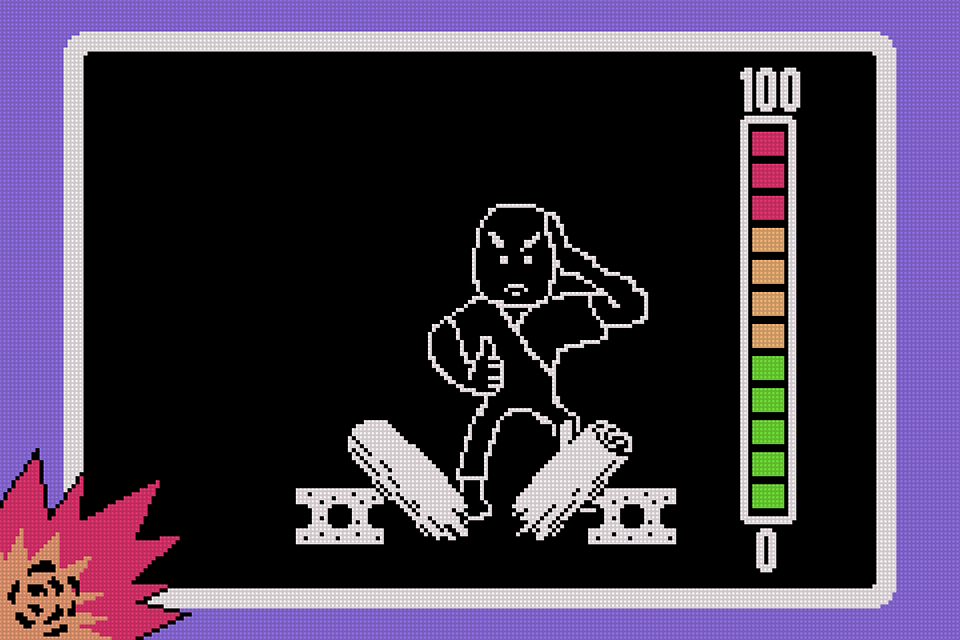
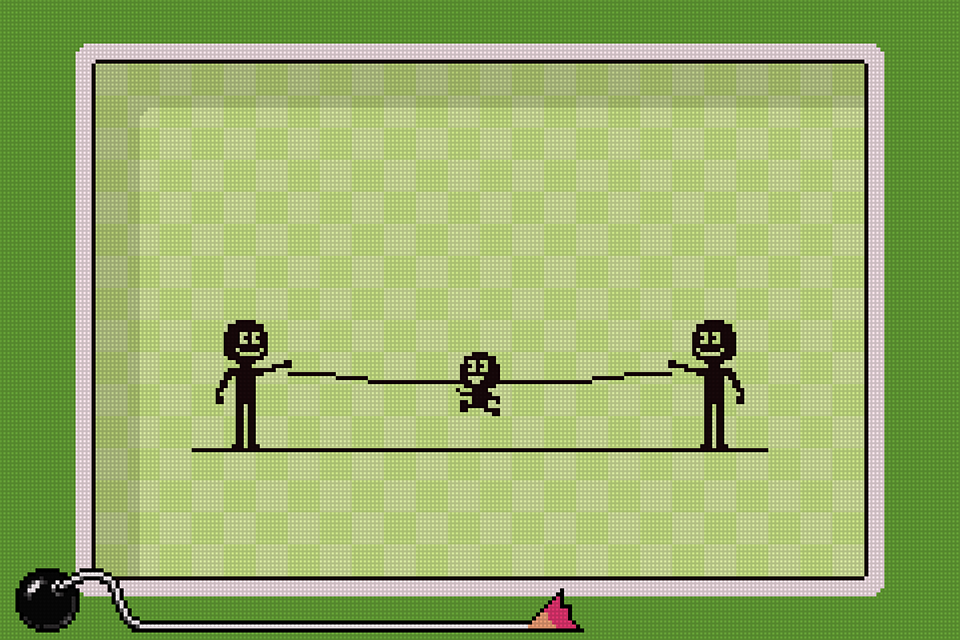
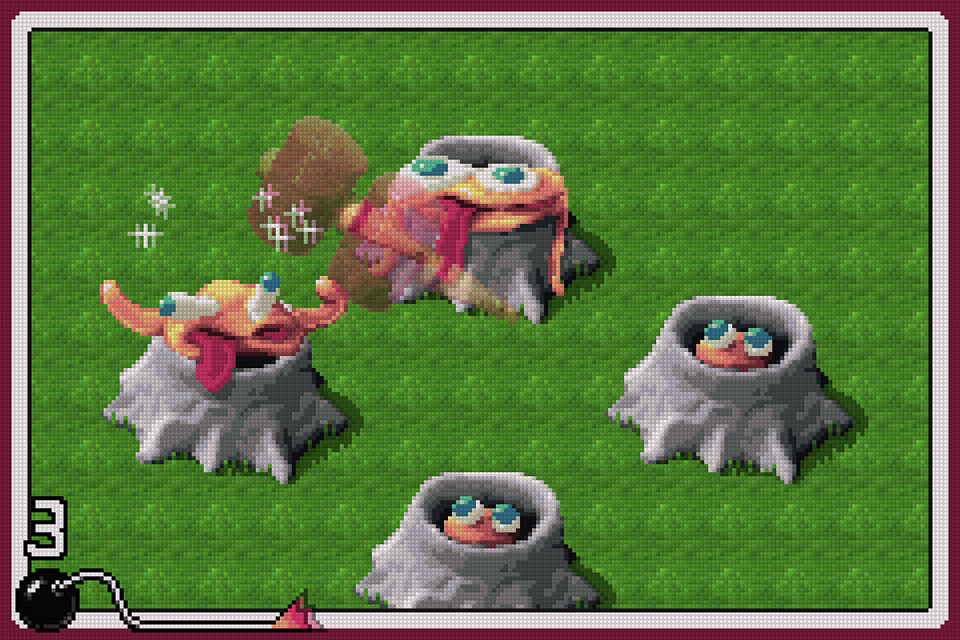
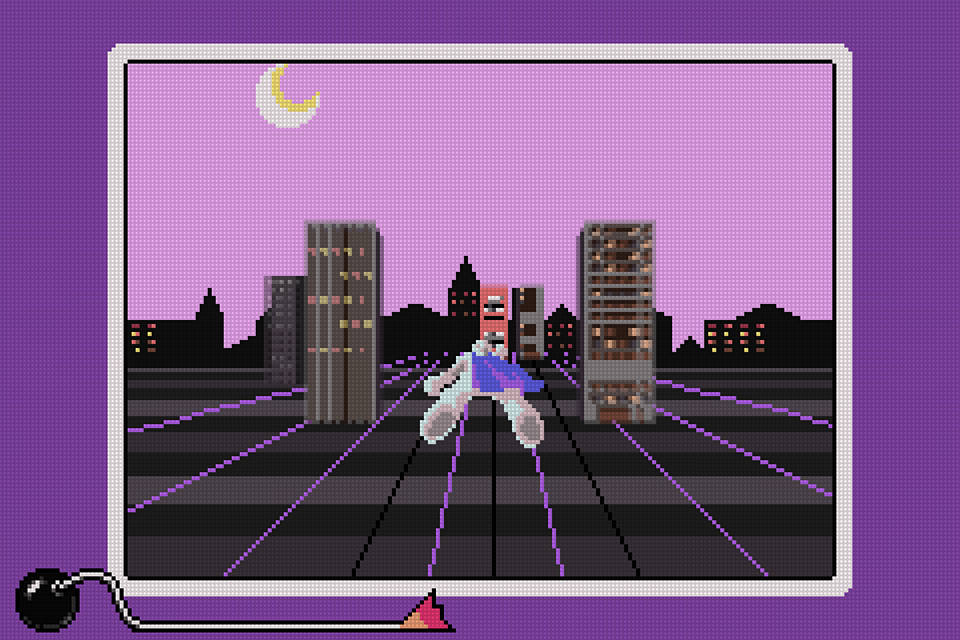
There is nothing that is not treated like a game, except for one thing: there is no mini-game about a guy running across suburban rooftops. The one thing you would think would have been the first game developed is not present at all. It's why I want to ask the dev team if they ever had that same imaginative time waster that so many of us have also had, because even though that isn't in the game, they managed to make a game that was essentially about that on a spiritual level. Being so fucking bored and not being able to do anything about it because you're stuck in a classroom or a long line, to the point that your mind has to create situations involving the objects around you. As such, Wario Ware is this anomaly of a game; it is a game essentially about nothing, that contains everything. Just pure, unbridled imagination facing you in such quick bursts that you don't really have the time to comprehend it.
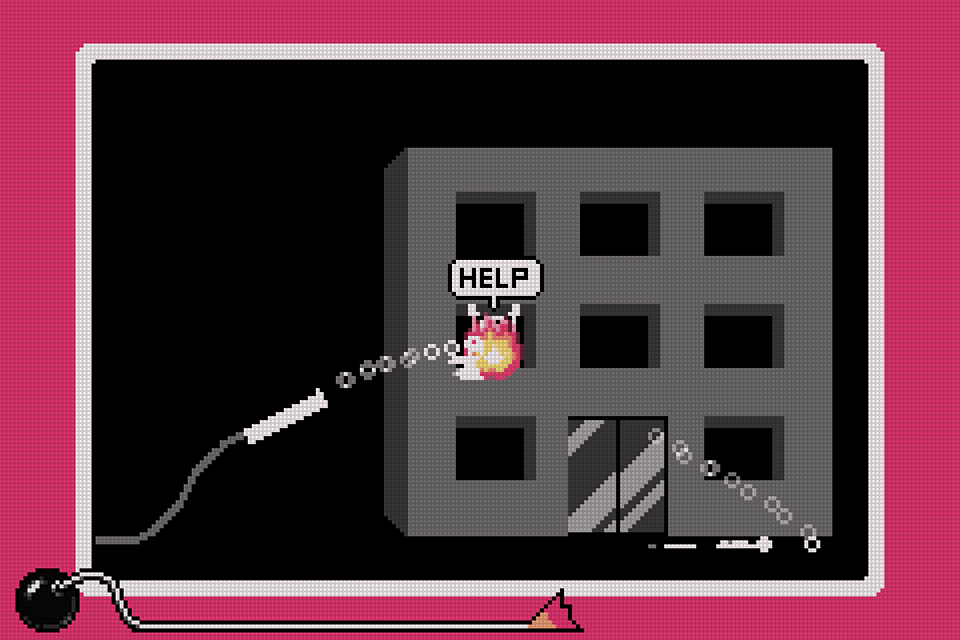
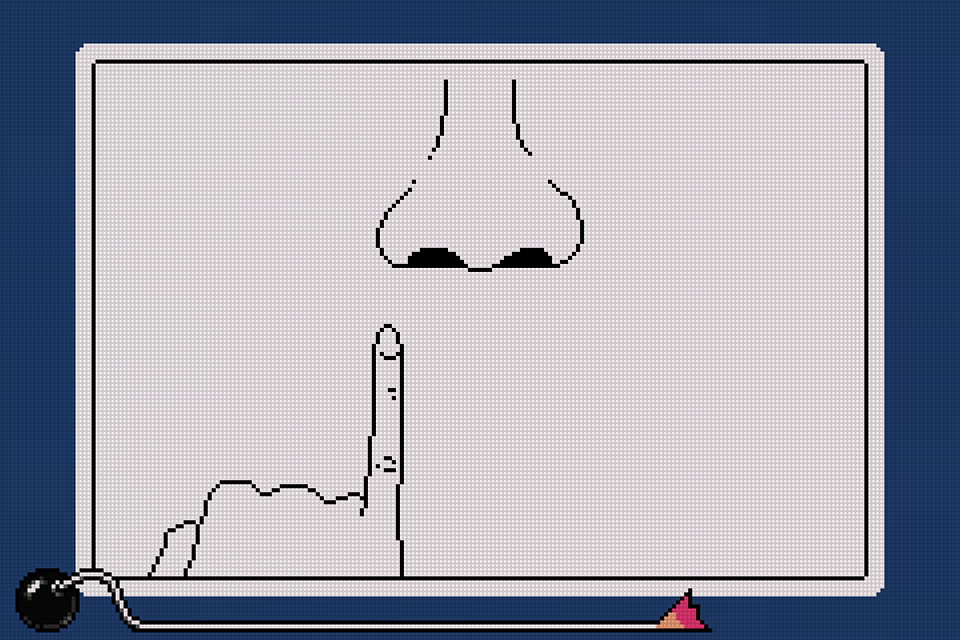
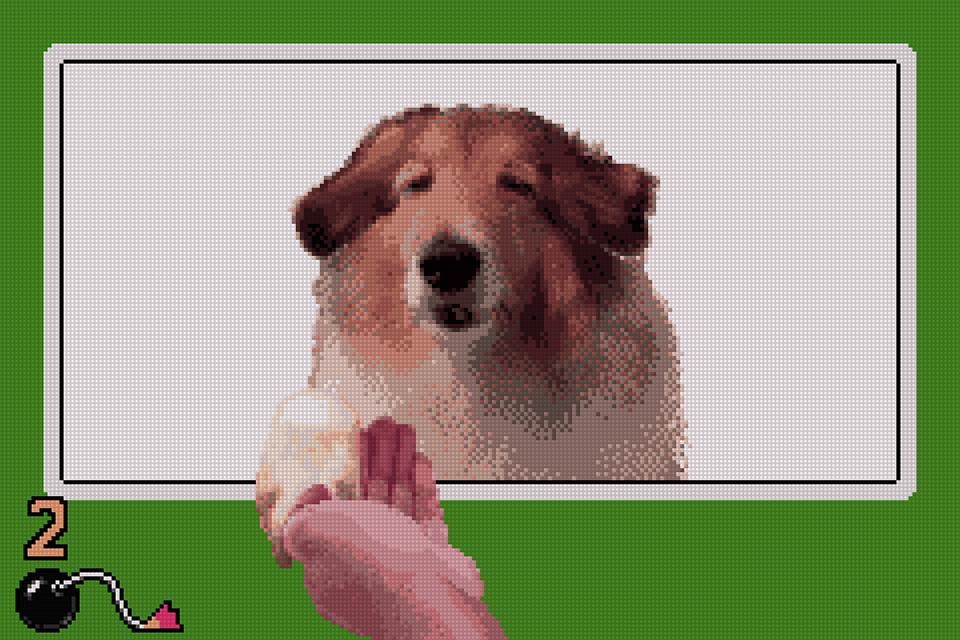
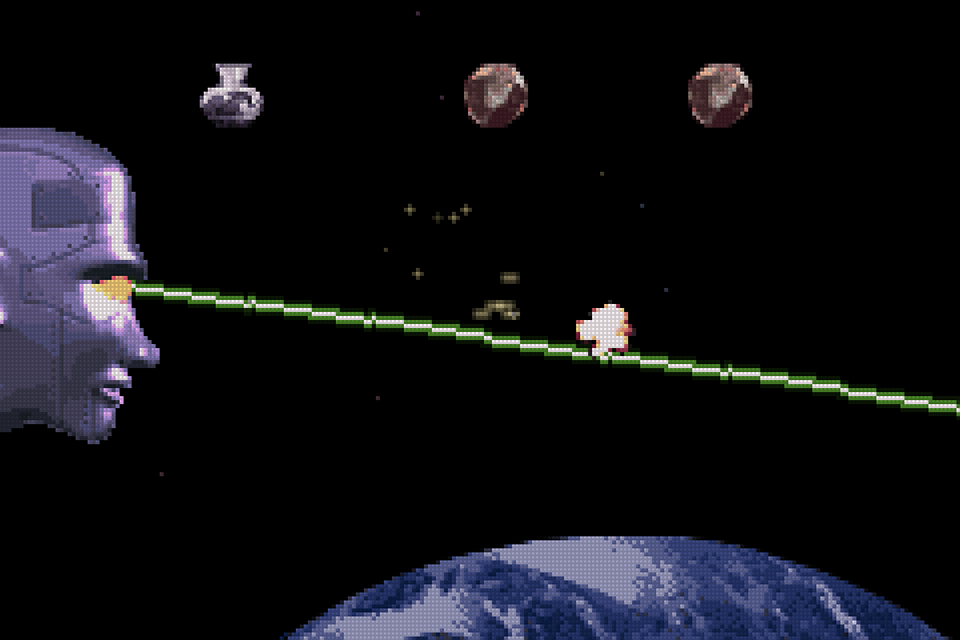
Much like other GBA titles like the bit generations series, Wario Ware is designed to be played in short bursts. It's simple, it's not particularly complex, but it's still a game that I keep coming back to. I guess because it cures my boredom by turning everything into a game. Yet another example of Nintendo at their creative peak. Too bad there's no guy running on a rooftop.
Comments